
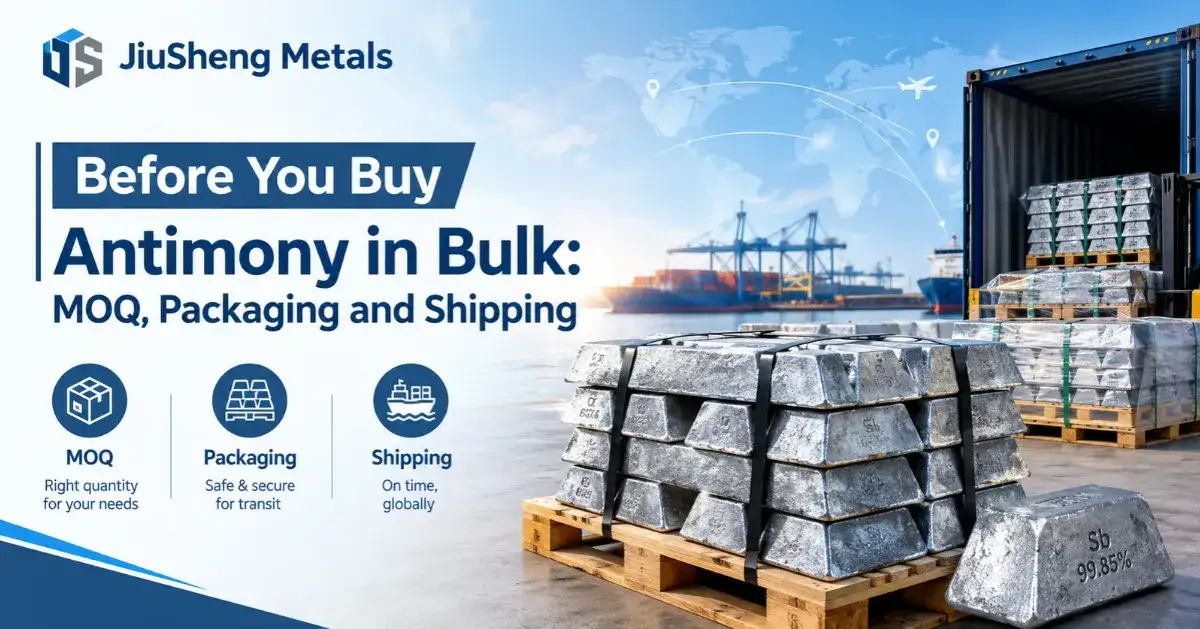
Many bulk antimony buyers make a costly mistake: they focus on the price per ton before confirming if the order quantity and delivery terms fit their production needs. A low quotation becomes usele...
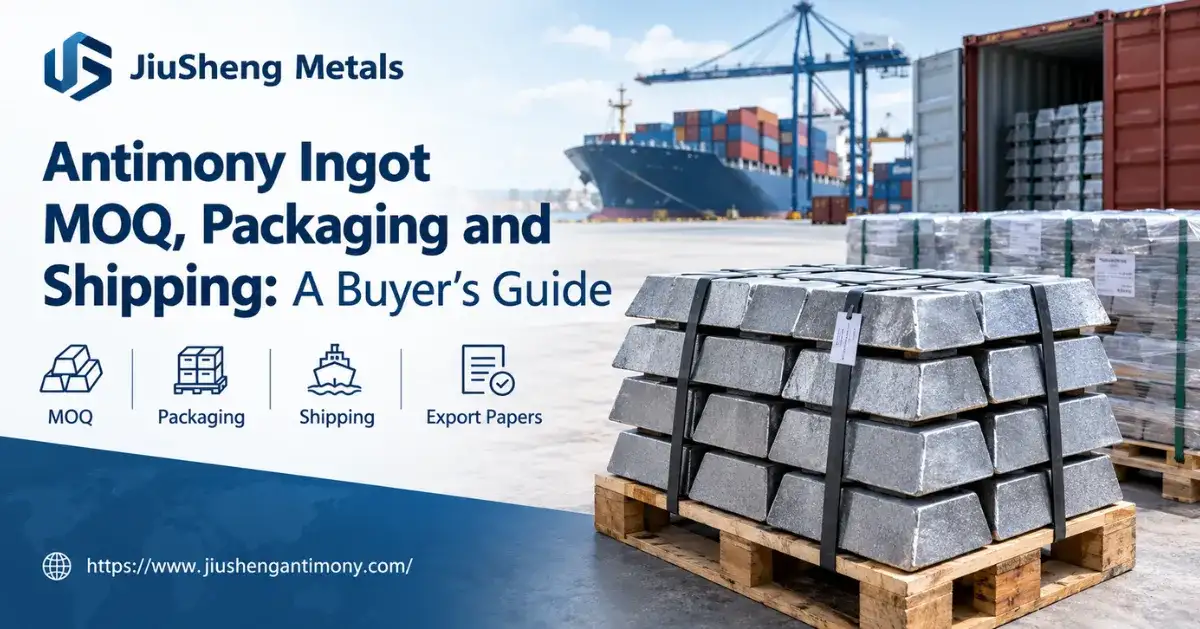
Imagine you place an antimony ingot order, and then the surprises start. The supplier says your quantity is too small. The ingots arrive loose and hard to count. The shipping terms turn out...
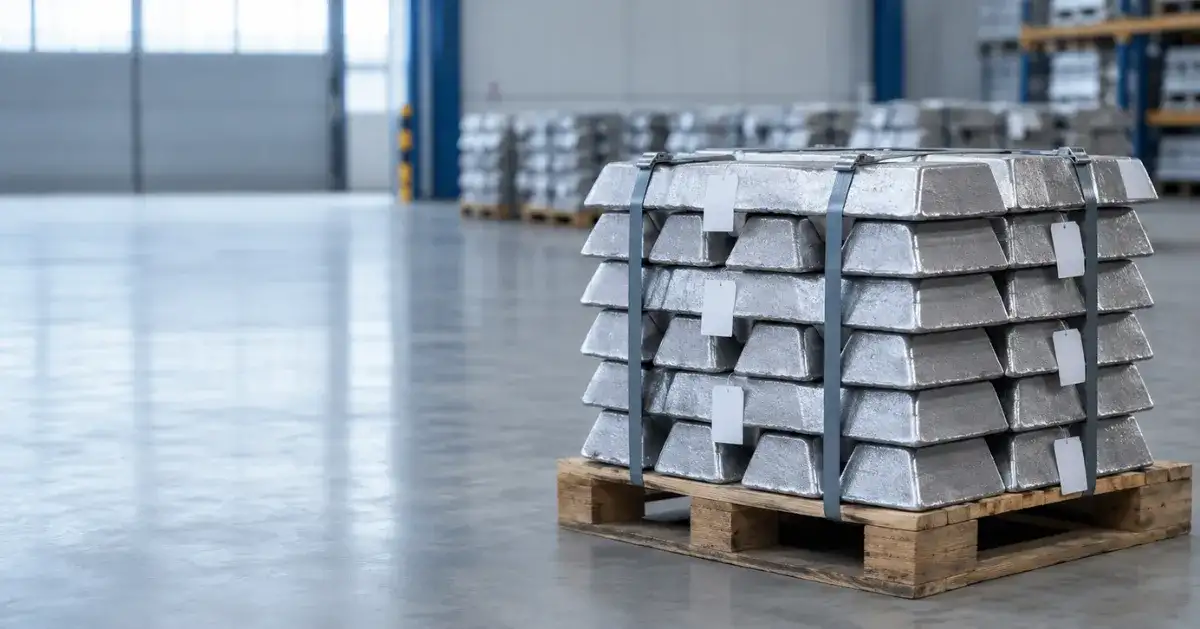
Choosing an antimony ingot supplier based on price alone can create costly problems for your supply chain. A shipment that fails quality checks or lacks the required documentation disrupts producti...
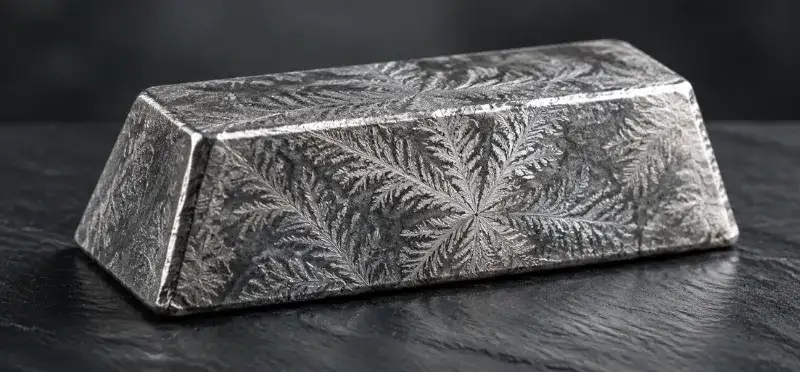
At first glance, antimony appears to have all the qualities of a metal. It has a silvery appearance, occurs as a solid, and has been used in alloys for centuries. But its behavior does not fit neat...
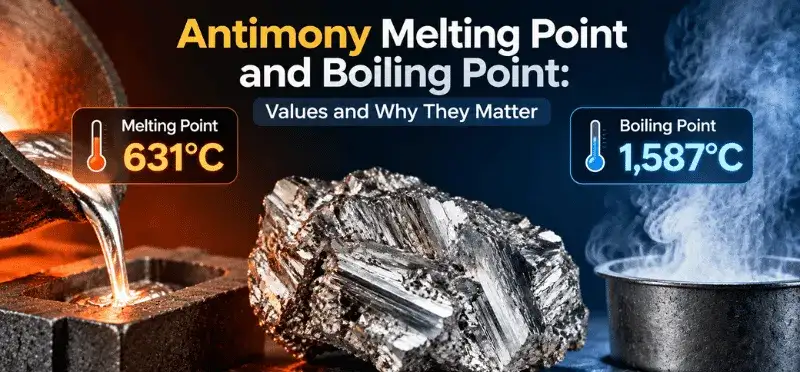
Antimony melts at 630.63 °C (1,167.13 °F, 903.78 K) and boils at about 1,587 °C (about 2,889 °F, about 1,860 K) at standard atmospheric pressure (1 atm). Antimony is one of the few ...
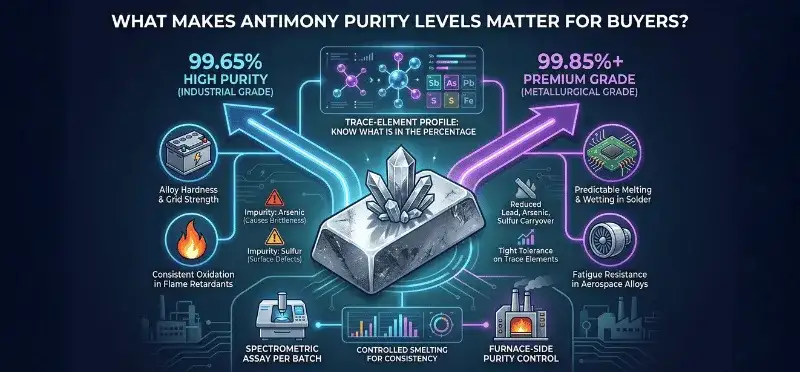
The certificate of analysis may read 99.65%. A retest performed at an independent lab may yield a lower result. If you've ever bought antimony ingots, you know that this gap is far more prevalent t...
The certificate of analysis may read 99.65%. A retest performed at an independent lab may yield a...
READ FULLThe certificate of analysis may read 99.65%. A retest performed at an independent lab may yield a...
READ FULLThe certificate of analysis may read 99.65%. A retest performed at an independent lab may yield a...
READ FULL

Have a question or need a quote? Fill out this form and our team will get back to you quickly!
